


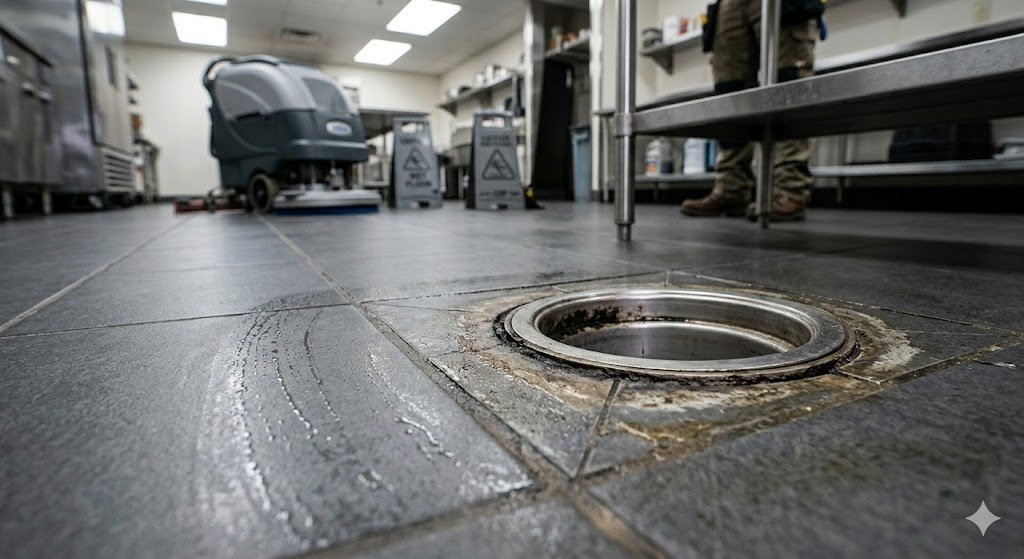
Walk through the kitchen of any busy restaurant or the corridor of a healthcare facility, and cleanliness will likely be your first observation. Floors are mopped, surfaces are wiped down, and tiles are scrubbed with chemicals strong enough to strip paint. Yet hygiene audits across UK commercial environments continue to flag the same issue: the walls.
Deep cleaning schedules tend to focus on high-contact horizontal surfaces. That’s understandable. Floors carry foot traffic, worktops handle food, and counters collect spillage. But vertical surfaces, particularly walls in wet or high-traffic areas, can harbour bacteria, mould, and moisture in ways that are easy to overlook.
This matters more than many facility managers realise. Read along to find out why wall surfaces deserve as much attention as floors, and what practical solutions actually look like in commercial settings.
The Problem With Porous Wall Surfaces
Traditional wall finishes, including painted plaster and standard ceramic tiles, tend to be porous. Grout lines between tiles are particularly problematic. They absorb moisture, trap grease and food debris, and provide the kind of environment where bacteria will thrive even after cleaning.
Over time, repeated cleaning with harsh chemicals can also degrade the wall surface itself, making it even more absorbent. Areas around sinks, cooking stations, and waste disposal points in commercial kitchens are among the worst affected, regardless of how frequently they’re cleaned.
This is where the conversation around hygiene cladding becomes relevant. PVC wall cladding offers a smooth, non-porous surface that doesn’t give bacteria anywhere to settle. Unlike tiled walls, there are no grout lines to worry about, and the material itself is resistant to moisture and common cleaning chemicals.
Why the Right Wall Material Matters for Compliance
Commercial kitchens, food processing facilities, and healthcare environments all face regulatory scrutiny. Poor wall hygiene can be a compliance failure, whether the inspection comes from the Food Standards Agency (FSA) or the Care Quality Commission (CQC).
In a commercial kitchen, steam and grease don’t just settle on floors. They coat walls, especially those near cooking equipment. On textured or painted surfaces, these deposits can build up over weeks without being visible to the naked eye.
Healthcare settings present different challenges. Cross-contamination risks from bacteria such as MRSA are well documented, and wall surfaces in treatment rooms, wards, and bathrooms are considered potential vectors for spreading infection if they can’t be thoroughly sanitised.
What to Look for in a Hygienic Wall Finish
Not all wall materials perform equally, and the finish chosen will affect how easy a space is to maintain over time. The key characteristics worth considering for commercial settings are:
- A non-porous surface that won’t absorb moisture or grease
- Chemical resistance, so the material can withstand regular sanitisation without deteriorating
- Minimal-joint installation to eliminate grout lines and gaps
- Durability in wet or high-humidity environments
Smooth-faced PVC cladding panels tend to meet all of these criteria. They can be wiped clean quickly, they don’t require specialist cleaning products, and they hold up well in environments with sustained moisture exposure.
Final Overview
Even the most hygienic wall surface will need regular cleaning. The difference is that the right material makes that maintenance significantly more manageable. Cleaning times are reduced, the risk of surface degradation is lower, and the chances of bacteria finding a foothold between cleans are far smaller.
For commercial spaces working to meet hygiene standards, the wall finish chosen at the outset will shape the effectiveness of every cleaning routine that follows. Deep cleaning the tiles is a good habit, but in some spaces, the tiles themselves are the problem.
