


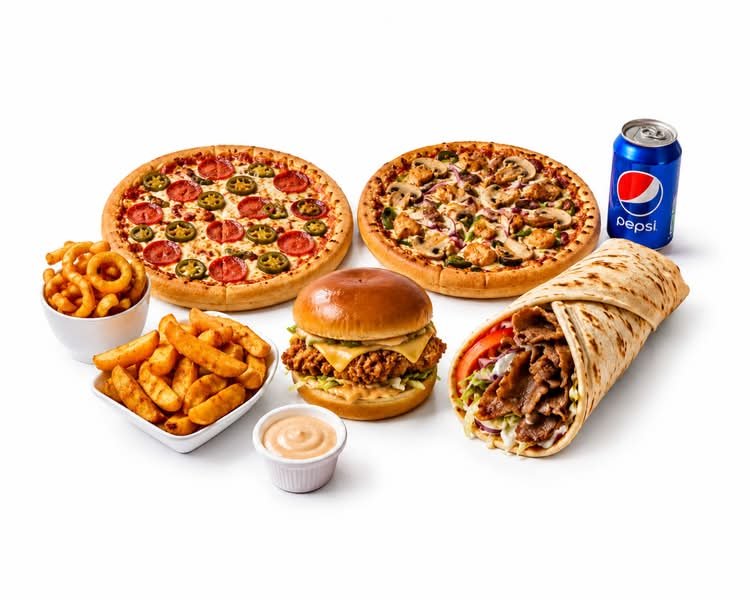
Sheffield offers a promising market for affordable takeaway food, but it does not offer an easy one. Pizza shops, kebab houses, burger bars and chicken outlets compete across the city, often targeting the same customers through the same delivery platforms. A new operator must therefore look beyond popularity and ask which concept can retain more money after ingredients, wages, rent, energy, waste and commission.
Pizza and doner businesses earn profit in different ways. Pizza usually provides a high gross margin on ingredients, larger group orders and demand throughout the week. Doner relies more heavily on rapid service, individual meals and concentrated evening trade. A successful doner shop near nightlife can outperform a neighbourhood pizzeria, while a delivery-focused pizza business can earn more than a poorly located kebab shop.
Sheffield’s customer base makes the comparison particularly interesting. The University of Sheffield had 27,885 students in 2024–25, while Sheffield Hallam reports approximately 31,000 students. Together, the institutions create a substantial market for affordable meals, late opening and delivery. Yet students represent only part of the opportunity. Families, office workers, hospital employees, football supporters and residents in Sheffield’s suburbs all order takeaway food for different reasons.
The more useful question is not whether doner or pizza has the highest theoretical margin. It is which product fits the chosen Sheffield location, opening hours, kitchen capacity and sales channel.
1. The Sheffield Profit Test Starts with Location
Location affects a takeaway restaurant more than the basic cost of dough or doner meat. A shop on West Street faces different trading conditions from one in Crookes, Hillsborough or Woodseats. Applying the same menu and opening hours to every area would ignore how customers actually buy food.
West Street and nearby parts of the city centre favour late trading. Customers leaving pubs, bars and clubs often want an individual meal that they can receive quickly and eat immediately. Doner performs well in this setting because the product is visible, familiar and fast. A worker can carve the meat, add salad and sauce, wrap the order and serve it within minutes.
London Road and Abbeydale Road support a wider mixture of customers. Students, local residents and people seeking international food create demand across lunch, dinner and late evening. Competition is intense, however, and a standard doner shop may struggle to stand apart. A specialist Turkish doner, shawarma or charcoal-grill concept can command a better price than an outlet selling the same frozen meat and bought-in sauces as several nearby competitors.
Broomhill, Crookes and parts of Ecclesall Road contain large student and residential markets. Pizza has an advantage in these areas because several people can share one order. A house of four students may order two large pizzas, sides and drinks, creating a larger transaction than four separate customers passing a doner counter. Families also understand pizza as a simple group meal, particularly during weekends, sporting events and school holidays.
Hillsborough, Woodseats and other residential districts reward reliability more than novelty. Customers may order from the same local takeaway repeatedly if the price, portions and delivery times remain consistent. Pizza suits this pattern because operators can build family packages, collection offers and direct-order discounts. Doner can still work, but it often needs a broader menu to attract households in which not everyone wants a kebab.
Premises costs can reverse either advantage. A small, fitted takeaway with existing extraction may suit doner production at a manageable cost. A larger restaurant with seating, extensive refurbishment and new restaurant chairs adds expenditure without necessarily increasing takeaway sales. Conversely, a cheap unit outside a strong delivery catchment may require heavy discounting and advertising to generate orders.
Competition must be measured within a delivery radius, not across Sheffield as a whole. An operator should search each major app several times on weekdays and weekends, recording the number of pizza and doner businesses, their delivery fees, ratings, estimated waiting times and prominent offers. This exercise reveals whether the area lacks supply or merely contains weak competitors.
Local demand should also be tested on foot. Counting pedestrians between 6pm and midnight, observing collection traffic and checking nearby parking can expose problems hidden by population figures. Doner needs visible footfall more than pizza because a greater share of its value comes from spontaneous purchases. Pizza can operate from a less prominent site if delivery density and online visibility compensate for the weaker frontage.
The first commercial verdict therefore depends on the trading area. Doner has the stronger location advantage beside concentrated nightlife. Pizza has the broader geographical opportunity because it can serve students, families and residential customers through delivery and collection.
2. Opening Costs Favour the Right Premises, Not One Product
A doner shop appears simple from the customer side, but the kitchen requires more than a rotating grill. The operator needs commercial extraction, refrigeration, frozen storage, preparation counters, sinks, hot holding, cutting equipment and usually one or more fryers. A shop selling chicken and lamb-style doner may require two vertical grills, increasing equipment and energy costs.
Extraction can become the largest fit-out problem. A premises without a suitable duct, planning position or landlord permission may cost far more to convert than expected. Odour, heat and grease also place demands on cleaning and maintenance. Buying a low-priced retail unit without checking these conditions can turn an apparently cheap opening into an expensive building project.
Pizza requires its own equipment package. A typical independent shop needs a deck or conveyor oven, dough mixer, refrigerated preparation counter, proofing space, trays, refrigeration and ingredient storage. A conveyor oven may improve consistency and throughput, but it costs more to purchase and can consume substantial energy. A deck oven costs less in some cases but demands greater staff attention and skill.
Dough production adds work before service begins. Staff must mix, divide, ball, prove and store dough according to expected demand. Poor forecasting produces either shortages during the busiest hours or excess dough at closing. The raw material loss is usually modest, but lost sales caused by insufficient preparation can be significant.
Doner preparation also starts before opening. Staff must wash and cut salad, make or portion sauces, prepare bread and organise meat safely. A business that adds grilled meat, rice, wraps and homemade bread creates more preparation work than a basic kebab shop. These additions can support higher prices, but they also increase labour and kitchen complexity.
A previously fitted unit can save either business tens of thousands of pounds. Existing extraction, drainage, power capacity, washable surfaces and food-approved kitchen areas matter more than the previous menu. A former pizza shop may still suit doner if the ventilation system can accommodate vertical grills. A former kebab shop may suit pizza if the electrical or gas supply can support the chosen oven.
The opening budget should include more than kitchen equipment. The owner may need a rent deposit, legal advice, planning applications, signage, menu boards, fire-safety work, pest-control arrangements, insurance, waste contracts, card terminals, ordering software and opening stock. Delivery photography, packaging design and initial advertising also require money.
Working capital deserves equal attention. A shop can open successfully and still fail because it lacks cash for wages, utilities and suppliers during the first quiet months. New takeaways rarely reach stable order volume immediately. Online reviews take time to accumulate, and customers need repeated exposure before changing their habits.
A pizza franchise raises the required investment considerably. Franchise fees, specified equipment, approved suppliers, royalties and marketing contributions reduce the owner’s freedom. A recognised brand may produce orders more quickly, but those orders do not automatically create a better return on invested capital. An independent comparison should therefore place a local pizza shop against a local doner business, not against a national chain with different costs and purchasing terms.
Equipment alone does not produce a clear winner. A basic doner takeaway may open for less than a pizzeria if the unit already has extraction and grills. A compact pizza operation may cost less if it uses a suitable fitted kitchen and avoids an oversized conveyor system. The premise condition creates a larger difference than the menu label.
3. Profit Must Be Calculated One Order at a Time
Gross margin begins with the amount left after direct product costs, but many operators calculate it incorrectly. They compare the full menu price with ingredients and ignore VAT, packaging, transaction charges, discounts and delivery commission. A product that appears highly profitable can become ordinary once every deduction enters the calculation.
Consider an illustrative doner order priced at £12.50 for a wrap, chips and a canned drink. The meat, bread, salad, sauce, chips, oil and drink might cost about £3.20, depending on portion size and supplier terms. Packaging may add 60p. Before labour, rent and energy, the order could contribute £8.70 if sold directly and if VAT does not need to be deducted from that figure.
The same order looks different through a delivery platform. A commission or combined service charge equal to 25 per cent of the selling price would remove £3.13. The remaining contribution would fall to approximately £5.57 before labour and overheads. A platform-funded or restaurant-funded discount could reduce it further.
Doner profitability depends heavily on portion control. Staff often carve by judgement, particularly during a rush. An extra 40 or 50 grams on each serving feels insignificant, but hundreds of oversized portions can consume the week’s profit. Weighing sample portions, using standard containers and training staff to fill wraps consistently can protect the margin without making meals look small.
Meat yield also matters. The purchased weight does not equal the sellable weight because cooking removes moisture and fat. The owner must calculate cost from the cooked portions actually sold. Supplier invoices alone cannot reveal the true food cost.
End-of-night waste creates another doner risk. Once heated, a meat stack cannot simply return to frozen storage and begin again the next day without proper procedures and strict food-safety controls. An oversized stack during a quiet shift may leave unsold meat. Smaller stacks reduce waste but risk running out during an unexpected surge.
Pizza offers a different cost structure. Consider an illustrative £19 order containing a large pizza, garlic bread and a drink. Dough, sauce, cheese, toppings, side ingredients and the drink might cost £4.80, while boxes and containers might add 80p. The direct contribution would be around £13.40 before VAT, labour and overheads.
A 25 per cent delivery charge would remove £4.75, reducing that contribution to £8.65. Pizza still produces more cash from this example, but it also uses more oven time and may serve several people rather than one. Comparing only margin percentages would miss the importance of pounds earned per order and orders completed per hour.
Pizza’s strongest cost advantage comes from its base ingredients. Flour, yeast and tomato sauce cost relatively little compared with the selling price. Cheese is the main pressure point, followed by meat toppings. Staff who cover pizzas with unmeasured handfuls of cheese can erase much of the expected advantage.
Topping control is easier to standardise than doner carving. The kitchen can use portion cups, scales or specified handful measures for each pizza size. Dough balls can also follow fixed weights. This consistency makes theoretical food costs more likely to match actual results.
Customisation can weaken that control. Customers may request extra cheese, half-and-half toppings, stuffed crusts and multiple substitutions. Each option slows production and creates opportunities for mistakes. A short, well-designed menu often earns more than a large menu because staff work faster and purchasing becomes simpler.
Side dishes improve both concepts. Chips, garlic bread, sauces and drinks usually deliver attractive margins and lift the average order. Pizza has a natural advantage in bundling several sides into a group order. Doner can respond with loaded chips, mixed platters and meal boxes, although larger menus may require more ingredients and storage.
Waste tends to favour pizza. Unsold dough has a low raw cost, and many chilled toppings can be used across several products when stored correctly. Doner carries higher risk because cooked meat, prepared salad and bread may lose quality quickly. A disciplined kebab shop can control this risk, but it requires accurate forecasting every day.
Pizza wins the order-level comparison in many standard scenarios. It combines inexpensive base ingredients with a higher average transaction. Doner can match or beat it when fast service produces a high number of individual sales with little platform commission.
4. Weekly Trading Reveals the Operational Winner
Monday-to-Thursday demand tests whether a restaurant can survive outside peak periods. Sheffield’s students provide regular evening orders, but they also compare prices closely. Aggressive discounts may increase revenue without covering the extra food, labour and commission attached to those sales.
Pizza works well for planned weekday promotions. A collection-only offer can move customers away from delivery apps while protecting the basket value. Two-pizza packages appeal to shared student houses, and smaller meal deals can serve couples or individuals. The same dough and core ingredients support several price points.
Doner usually attract individual weekday orders. A meal deal can increase the transaction, but one customer still tends to purchase one main item. A kebab business needs more transactions to reach the same revenue as a pizzeria selling larger group orders. Fast counter service can make that volume achievable in a strong location.
Friday and Saturday change the contest. Doner benefits from customers seeking hot, filling food after drinking or socialising. These buyers value speed, location and portion size more than detailed menu descriptions. A visible queue can even attract further trade when people interpret it as evidence of popularity.
Late-night doner revenue carries additional costs. The shop needs staff willing to work unsociable hours, stronger supervision and more frequent cleaning. Security incidents, intoxicated customers and payment disputes can disrupt service. Extending opening hours only creates value when the extra gross profit exceeds wages, energy, waste and risk.
Pizza receives much of its weekend demand earlier. Families and groups commonly order between late afternoon and 9pm, producing a concentrated delivery rush. The kitchen must sequence orders carefully because an overwhelmed oven delays every customer. Delivery times shown on apps can rise, reducing conversion just when demand is strongest.
Oven capacity creates a measurable ceiling. A conveyor oven may process pizzas predictably, while a deck oven depends more on loading, temperature recovery and staff skill. The owner should calculate pizzas per hour, average contribution per pizza and maximum sales capacity before choosing equipment. Buying an oven that cannot handle peak demand restricts revenue for years.
Doner has a different capacity limit. One meat stack can serve many orders rapidly, but carving, assembling and frying may become bottlenecks. Adding another worker can improve speed only if the preparation line has enough space. A narrow shop filled with delivery drivers and walk-in customers can lose orders through confusion rather than lack of demand.
Sunday often favours pizza. Families want a meal requiring little coordination, and pizza accommodates different preferences through several toppings. Sporting events can also generate larger group orders. Doner shops can sell mixed platters or family boxes, but these products need thoughtful packaging and clear pricing.
Labour costs place pressure on both formats. The UK National Living Wage for workers aged 21 and over rose to £12.71 an hour in April 2026. The real cost of employment is higher after employer contributions, holiday entitlement, pensions where applicable, uniforms, training and paid preparation time. An additional worker must therefore generate more than the hourly wage in added gross profit.
Pizza may require earlier preparation but can operate with a structured production line during service. Doner may need less dough-related work yet demands continuous salad preparation, fryer management and cleaning around greasy equipment. Neither format is automatically labour-light.
Owner involvement changes the outcome substantially. An owner who manages purchasing, preparation and busy shifts can reduce paid management costs. That saving should not disguise an unsustainable workload, however. Profit created by working 80 hours a week is partly unpaid labour rather than a return on investment.
Delivery dependence represents the largest shared threat. Pizza often performs strongly online because it travels well and supports group ordering, but that strength can make the business dependent on platforms. Doner quality may decline during a long journey as bread softens, salad warms and chips lose crispness. A tight delivery radius can protect quality but limits the available market.
Direct ordering improves the economics of both businesses. A restaurant can place leaflets in bags, offer a modest direct-order reward and build a customer database with proper consent. The reward should cost less than the platform commission it replaces. Service must remain convenient, or customers will return to the app.
Operationally, pizza offers broader demand across the week, while doner can achieve greater sales density during late-night peaks. The better model depends on whether the business wants stable residential delivery or concentrated walk-in volume.
5. Pizza Usually Wins, but Doner Can Dominate the Right Street
Pizza is likely to be more profitable for a typical Sheffield neighbourhood takeaway. Its low-cost base ingredients, controllable portions, larger baskets and appeal to groups create a strong commercial combination. Demand extends beyond nightlife to students, couples, families, workplaces and weekend gatherings.
Pizza also gives the operator several ways to protect margin. Collection offers reduce commission, fixed topping portions control food cost, and meal bundles raise order value. Dough waste is comparatively inexpensive, while the same ingredients can support different pizza sizes and a limited range of sides.
Competition remains pizza’s main weakness. Customers can choose from major chains, local independents, traditional takeaways and specialist Neapolitan restaurants. A new business that sells generic pizza at an ordinary price may disappear among dozens of app listings. It needs a clear reason to exist, such as strong collection value, late delivery, premium ingredients, unusually fast service or a tightly defined style.
Doner becomes the more profitable choice when the location supplies heavy evening and late-night footfall. A compact unit near bars, student nightlife or a busy transport route can process many transactions from a small floor area. Direct walk-in sales avoid delivery commission, and customers often accept simple menus during late hours.
A doner business must control four variables to realise that potential: cooked yield, serving weight, end-of-night waste and staffing. Losing control of any one can turn a busy shop into a low-profit operation. High revenue does not help if oversized portions and discarded meat consume the margin.
Product quality can also create a route beyond the late-night market. Fresh bread, recognisable cuts of meat, homemade sauces and carefully prepared salad can justify a higher price. A premium Turkish or shawarma concept competes differently from a conventional kebab shop. It may attract lunch and dinner customers who would not normally buy a late-night doner.
A hybrid menu requires caution. Selling pizza and doner together appears to spread risk, and many UK takeaways follow this model. The combination can also produce an oversized kitchen, excessive stock and weak brand identity. Customers may assume that a shop offering pizza, kebabs, burgers, chicken, curries and desserts specialises in none of them.
A focused hybrid can work when ingredients cross over naturally. Doner-topped pizza, Turkish pide, flatbreads and loaded fries allow the business to use meat, dough, sauces and vegetables across several products. The menu should still remain small enough for accurate preparation and fast service.
The final decision should come from a site-level forecast. The owner should estimate direct walk-ins, collections and deliveries for each hour of the week. Each sales channel needs its own average order value, food cost, packaging cost and commission. Wages, rent, energy and other overheads then show how many daily orders the business needs to break even.
Sensitivity testing provides a more honest answer than one optimistic forecast. The operator should calculate profit if sales are 20 per cent below expectations, ingredient costs rise by 10 per cent or a delivery platform increases its charges. A concept that survives these cases offers a safer investment than one that becomes profitable only under ideal conditions.
For most residential or student-focused parts of Sheffield, pizza offers the better balance of margin, average order value and all-week demand. For a small unit beside concentrated nightlife, doner may produce more profit per square foot through fast, commission-free counter sales.
The product does not decide the result by itself. A disciplined pizza shop in the wrong location can fail, just as an ordinary doner shop with exceptional footfall can earn substantial profit. Sheffield rewards the concept that matches its immediate customers, controls portions, limits waste and converts platform buyers into direct regulars.
