


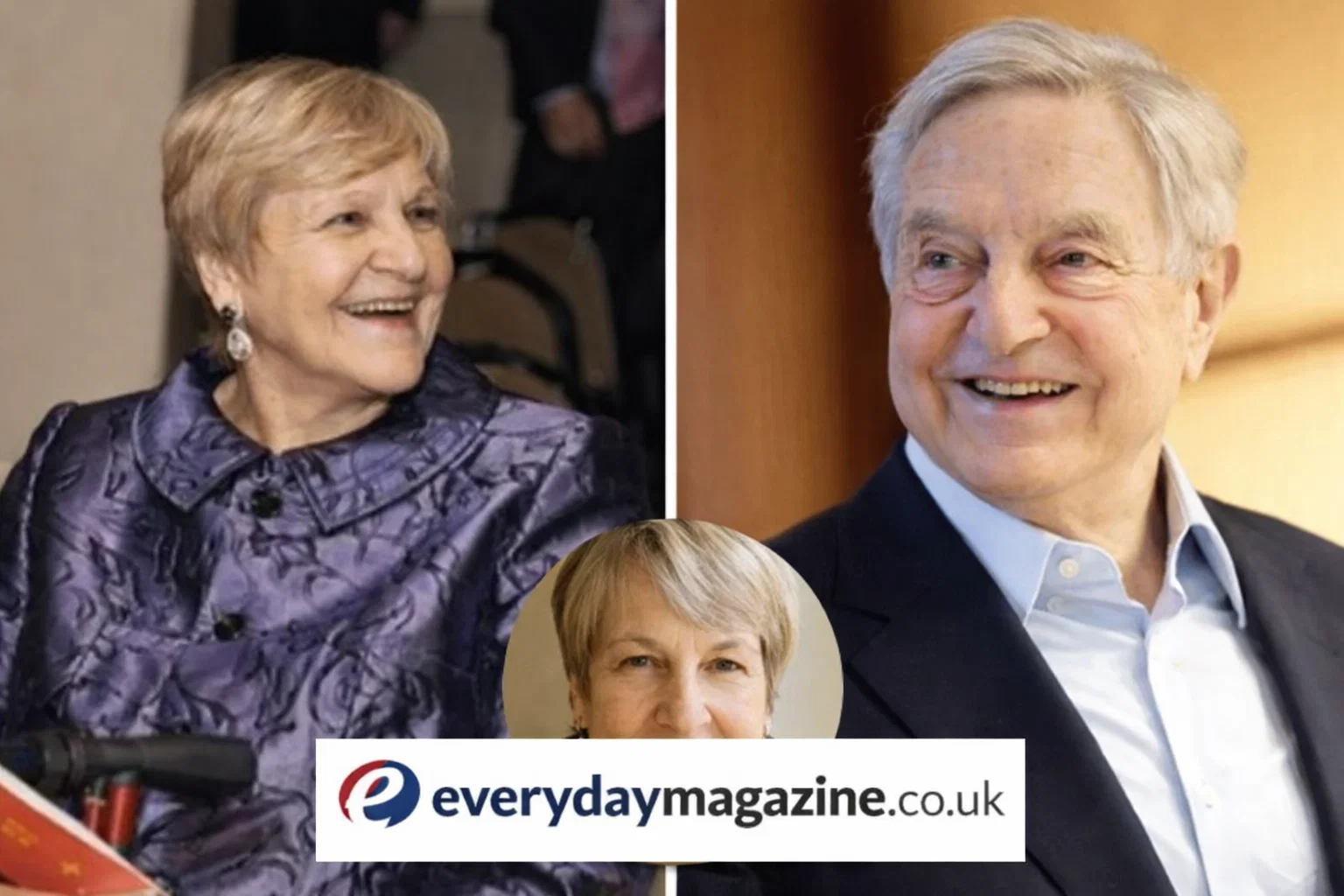
Quick Bio
| Attribute | Details |
|---|---|
| Full Name | Annaliese Witschak |
| Birth Date | January 3, 1934 |
| Birth Place | Germany |
| Nationality | German-American |
| Early Life | Orphaned during World War II; experienced hardship and survival as a child |
| Immigration | Moved to the United States after World War II |
| Cultural Identity | German heritage, adapted to American life |
| Spouse | George Soros (married 1960–1983) |
| Marriage Duration | 23 years |
| Children | Robert Daniel Soros, Andrea Soros Colombel, Jonathan Tivadar Soros |
| Role in Marriage | Supportive spouse, helped George Soros’s early career |
| Career / Activities | Focused on family, upbringing children, personal growth, and philanthropy support |
| Personal Traits | Private person, resilient, independent, family-oriented, values education and hard work |
| Life After Divorce | Maintained privacy, guided children, continued personal growth |
| Public Profile | Low public profile, discretion, avoided limelight |
| Legacy / Influence | Parenting philosophy, family stability, influence on George Soros’s early career, resilience and values |
| Philanthropy | Supported charitable causes indirectly through her family and spouse |
| Final Years | Lived quietly, maintaining personal values and family devotion |
Annaliese Witschak was born on January 3, 1934, in Germany. She later became the first wife of George Soros, the billionaire philanthropist and hedge fund manager. While her former spouse gained fame for his global influence, Annaliese remained a private person who focused on family, values, and personal resilience. She is a German immigrant who adapted to American life, building a stable family environment while supporting her husband’s early career. Her story reflects courage, adaptation, and dedication to family life, while maintaining privacy and discretion throughout her public exposure.
Early Life and Family Background
Annaliese Witschak’s early years were shaped by adversity. Born in Germany, she lost her parents during World War II, becoming an orphan during the war. These early experiences left a deep mark on her life, instilling resilience and independence. Growing up amid hardship, she learned the importance of perseverance and strong values, which later defined her family and personal philosophy.
Her German heritage influenced her cultural identity, and the experiences she faced as a young immigrant would later help her navigate life in America. Moving to the United States required significant adaptation to US life, and she carried with her the lessons learned from her early childhood struggles.
Experiences During World War II
World War II was a pivotal period in Annaliese’s life. As an orphaned child, she witnessed loss, uncertainty, and societal upheaval. These experiences shaped her understanding of hardship and survival. The trauma of war taught her the value of family, community, and resilience.
During these years, she developed a strong sense of independence and determination, qualities that would later define her role as a supportive spouse and devoted mother. Her survival and perseverance during this time exemplify personal growth and strength that would guide her through life’s challenges.
Life After the War and New Beginnings
After the war, Annaliese sought a fresh start in America. Immigrating as a German-American, she adapted to her new environment and cultural setting. Early life in America was challenging, requiring assimilation and adjustment to unfamiliar customs, language, and society. Despite the difficulties, she maintained her values and dedication to family stability.
Her experiences in Germany and adaptation to US life instilled a quiet strength and ability to navigate change with resilience. This period laid the foundation for her later life as a mother and spouse, where personal values such as kindness, hard work, and education became central to her family philosophy
Meeting George Soros
Annaliese Witschak met George Soros at a time when both were navigating new beginnings. Their shared experiences as immigrants and their cultural assimilation into American society created a strong connection. Soros, who would later become a hedge fund manager and billionaire philanthropist, found in Annaliese a supportive spouse who valued family over fame.
Her influence during these early years was significant. She provided stability and encouragement, helping him focus on his career and charitable initiatives. Their partnership reflected a combination of personal dedication and shared values that shaped their household.
Marriage and Family Life
Annaliese and George Soros married in 1960, beginning a 23-year-long union. Their marriage was characterized by mutual support, family devotion, and a commitment to raising children in a stable environment. She played an essential role in Soros’s early career, offering emotional and practical support while managing family life.
The couple prioritized family life over public attention, maintaining privacy amid growing media scrutiny. Annaliese’s personal values—resilience, independence, and commitment to family stability—helped create a nurturing environment for their three children: Robert Daniel Soros, Andrea Soros Colombel, and Jonathan Tivadar Soros.
Raising Their Three Children
Annaliese Witschak’s parenting philosophy emphasized education, hard work, and kindness. She raised her children with dedication, instilling the values she held dear while ensuring they had a stable and loving home.
Table: Annaliese Witschak’s Children
| Name | Birth Order | Notable Facts |
|---|---|---|
| Robert Daniel Soros | First | Involved in finance, followed father’s footsteps |
| Andrea Soros Colombel | Second | Active in philanthropy and social initiatives |
| Jonathan Tivadar Soros | Third | Engaged in family business and charitable causes |
Her influence extended beyond basic care. She nurtured their personal growth, helping them develop resilience, independence, and social responsibility. Her emphasis on family over fame created a home where children could thrive away from media scrutiny.
Life at Home: Simplicity, Privacy, and Devotion
Annaliese Witschak was a private person who avoided the limelight, even as her husband became a public figure. She embraced a simple life at home, valuing family stability over recognition.
- Focused on home and family rather than social events
- Maintained discretion and privacy despite public attention
- Emphasized education, personal growth, and kindness in daily life
Her low public profile ensured that her children could grow up in a nurturing environment while she continued to support George Soros in his philanthropic and business endeavors.
Supporting George Soros’s Early Career
During the early years of marriage, Annaliese Witschak played a pivotal role in supporting George Soros’s ambitions. Her encouragement and practical support helped him establish a foundation in finance, eventually leading to the creation of Soros Fund Management and philanthropic initiatives like the Open Society Foundations.
Her role as a supportive spouse reflected her values of family commitment, resilience, and social responsibility. Without seeking public recognition, she influenced the path of a future billionaire philanthropist while prioritizing her children and home.
Challenges in the Marriage
Despite a long and stable marriage, Annaliese and George Soros faced challenges. Differences in priorities, personal growth, and life ambitions led to a quiet separation. The marriage lasted 23 years, and its end reflected mutual respect rather than public conflict.
Annaliese handled the transition with discretion, focusing on her post-divorce life and maintaining strong relationships with her children. She demonstrated resilience and personal growth, adapting to change while continuing to prioritize family and values.
Divorce and Life After Separation
After the divorce in 1983, Annaliese Witschak embraced her post-divorce life with dignity. She maintained privacy, avoided public scrutiny, and focused on her children’s well-being. Her approach emphasized resilience, independence, and cultural assimilation into her community.
- Quiet separation without public disputes
- Continued influence on children’s education and careers
- Dedication to family stability and values
Her life after marriage showcased her personal philosophy and commitment to family life beyond the marriage, ensuring that her legacy extended through her children and their achievements.
Later Years and Current Status
In her later years, Annaliese Witschak remained a private figure. She avoided media attention, emphasizing family, personal values, and philanthropic awareness. Though not actively involved in the public aspects of Soros’s life, her legacy endured through her children and her quiet support during his early career.
Her life reflected the principles of discretion, social responsibility, and resilience. Annaliese Witschak exemplified how personal strength and values can leave a lasting impact without public recognition.
Legacy and Lasting Influence
Annaliese Witschak’s influence extends far beyond her marriage. She shaped the lives of her three children, provided critical support during George Soros’s formative years, and maintained personal integrity in the face of public attention.
Her legacy includes:
- Commitment to family stability and upbringing of children
- Support of philanthropic initiatives indirectly through her spouse
- Personal philosophy emphasizing resilience, kindness, and discretion
Her life demonstrates how private contributions and personal values can leave lasting societal impact, even when lived largely out of the public eye.
Personal Values and Philosophy
Annaliese Witschak prioritized personal growth, family, and ethical living. Her philosophy focused on:
- Resilience in adversity
- Emphasis on education and hard work
- Commitment to social responsibility and charitable causes
- Maintaining privacy and low public profile
- Parenting with kindness and dedication
These values guided her through childhood hardships, immigration challenges, marriage, and life after divorce, leaving a model of quiet strength for her family and others.
Conclusion
Annaliese Witschak’s life is a story of resilience, discretion, and devotion. From orphaned beginnings in Germany to raising a family in America, she navigated adversity with grace and strength. Her marriage to George Soros was a partnership built on shared values, support, and dedication to family.
Though she remained largely out of the public eye, her influence shaped her children, her husband’s early career, and her own lasting legacy. Annaliese Witschak stands as a testament to the power of personal values, resilience, and family devotion in shaping lives beyond the spotlight.
Frequently Asked Questions (FAQs)
Q1: Who is Annaliese Witschak?
Annaliese Witschak was the first wife of George Soros, a German-American immigrant, mother of three, and a private individual who emphasized family life and values.
Q2: When was Annaliese Witschak born?
She was born on January 3, 1934, in Germany.
Q3: How many children did Annaliese Witschak have?
She had three children: Robert Daniel Soros, Andrea Soros Colombel, and Jonathan Tivadar Soros.
Q4: What role did she play in George Soros’s career?
She was a supportive spouse during his early career, helping him focus on Soros Fund Management and philanthropic initiatives.
Q5: What is Annaliese Witschak’s legacy?
Her legacy lies in her parenting philosophy, family devotion, personal resilience, and quiet influence on philanthropy and social responsibility.
