


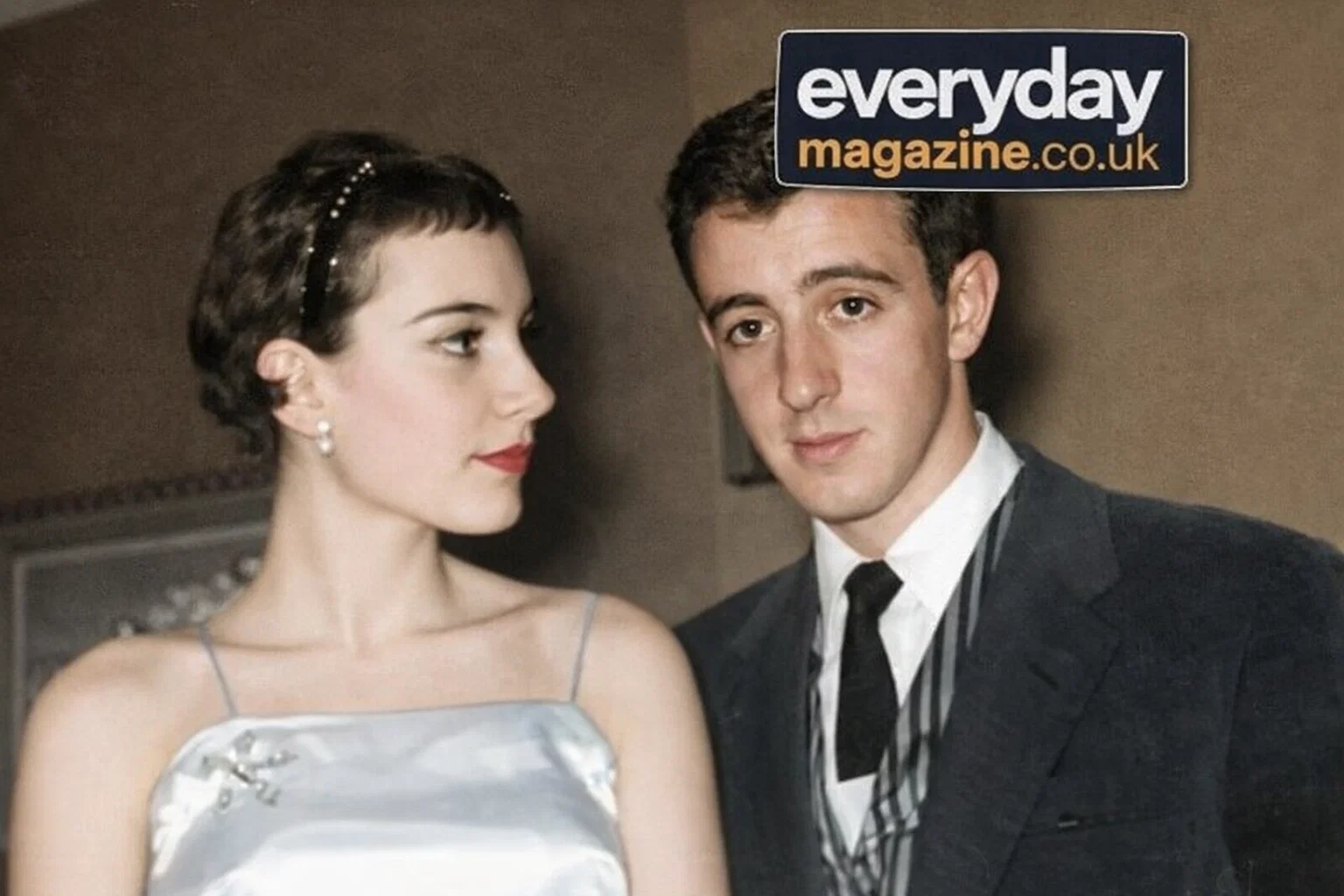
Introduction: The Untold Story of Harlene Rosen
Harlene Rosen is often remembered as the first wife of Woody Allen. But her life is much more than her connection to a celebrity. She was an American pianist and a young woman navigating life, love, and fame in 1950s Hollywood. Her story involves teenage marriage, public scrutiny, emotional pain, and personal resilience.
While history remembers her mainly in the context of Woody Allen’s rising comedy career, Harlene Rosen’s personal narrative deserves attention. Her decisions, private life, and quiet dignity highlight the challenges women faced in entertainment history. This article explores her life in detail, from early life in the United States to her life after divorce, and the legacy she left behind.
Quick Biographical Overview of Harlene Rosen
Harlene Rosen was born and raised in New York City. Her early life was shaped by family support and musical exposure. She developed musical talent at a young age, particularly piano playing. Her education and upbringing created a foundation for both her personal growth and artistic pursuits.
She became known as the first wife of Woody Allen after their teenage marriage in the mid-1950s. Their relationship brought her into the public eye, but Harlene Rosen always maintained her privacy and personal boundaries.
| Field | Information |
|---|---|
| Full Name | Harlene Rosen |
| Also Known As | None publicly recorded |
| Nationality | American |
| Ethnicity | Caucasian / American woman |
| Profession | Pianist, Musician |
| Industry | Music, Classic Entertainment, 1950s Hollywood |
| Known For | First wife of Woody Allen, Teenage marriage |
| Famous As | Celebrity spouse, Private citizen |
| Date of Birth | Not publicly disclosed |
| Age | Not publicly confirmed |
| Birthplace | New York City, United States |
| Early Life | Raised in New York City, musical upbringing, cultural exposure |
| Family Background | Supportive family, encouraged education and arts |
| Education | Musical training, piano playing, performance skills |
| Musical Talent | Piano playing, Jazz band involvement, Professional music participation |
| Artistic Style | Emotional performance, classic entertainment, musical discipline |
| Marriage | Woody Allen (1956–1962) |
| Marital Status | Divorced |
| Children | None publicly confirmed |
| Step-Parent Role | None documented |
| Public Persona | Briefly known due to marriage, otherwise private |
| Media Attention | Subject to public scrutiny during marriage, minimal after divorce |
| Legal Battles | Defamation lawsuit, NBC lawsuit, Alimony settlement |
| Career After Divorce | Music performances in private, personal pursuits, quiet independence |
| Lifestyle | Peaceful, private, minimal public appearances, social media absence |
| Personal Traits | Resilient, dignified, privacy-oriented, emotionally strong |
| Cultural Impact | Part of Hollywood history, example of privacy over publicity |
| Legacy | Quiet influence, personal dignity, lessons on resilience and private life |
| Current Status | Living privately, focused on personal growth and music |
| Public Appearances | Very rare, almost completely absent from media |
| Net Worth | Estimated, private, modest and undisclosed |
Early Life and Family Background
Harlene Rosen grew up in New York City. Her family valued education, culture, and music. From childhood, she showed exceptional musical talent. She often practiced piano for hours, developing both skill and emotional expression.
Her upbringing reflected 1950s cultural norms. Families prioritized traditional values, and teenage brides were not uncommon in certain communities. Early life and background shaped Harlene’s approach to relationships and her future marriage.
Her teenage years also exposed her to the beginnings of American entertainment culture. She attended social events, met musicians, and began forming her own identity. This period laid the groundwork for her eventual connection with Woody Allen.
Musical Passion and Early Interests
Music played a central role in Harlene Rosen’s early life. She performed in jazz bands and local music ensembles. Her professional music involvement included piano playing at small venues and private gatherings.
- She explored classical and jazz styles
- Participated in amateur and semi-professional bands
- Gained respect for discipline and emotional performance
Her artistic temperament and love for music became a personal outlet. Even when public scrutiny arrived through her marriage, music provided solace and a sense of personal identity outside marriage.
Meeting Woody Allen
Harlene Rosen met Woody Allen during her late teens. At the time, he was a rising comedian, performing stand-up routines in New York. Their relationship began in a private setting, away from public attention, but soon became intertwined with Hollywood lore due to his growing fame.
The early connection was both romantic and complex. Social and cultural norms of the 1950s shaped the expectations around their teenage marriage. Harlene Rosen became a teen bride, entering a union that would expose her to both emotional intimacy and public humiliation.
Who Is Woody Allen? Understanding Her Spouse
Woody Allen was establishing his career as a comedian and writer during this period. His public persona contrasted sharply with private behavior. As a rising comedy star, he often used personal anecdotes in his stand-up routines, including references to Harlene Rosen, which led to public mockery and emotional conflict.
Understanding Woody Allen’s career at the time is crucial to appreciating the pressures Harlene Rosen faced. His popularity brought her under media attention, affecting her teenage marriage and personal growth.
Marriage to Woody Allen (1956–1959)
Their teenage marriage lasted from 1956 to 1959. The young marriage presented several challenges:
- Early responsibilities of adulthood
- Public scrutiny from emerging celebrity culture
- Emotional tension due to career demands
Harlene Rosen struggled with the balance between her personal identity and her role as a comedian spouse. The marriage exposed her to public humiliation when private details were used in comedy routines.
During this period, she also faced financial dependence and social expectations, which highlighted the challenges faced by young women in entertainment history.
Growing Tensions and Public Humiliation
The tension in their marriage increased due to Woody Allen’s stand-up routines. Public mockery made her private life a spectacle. Media backlash amplified the emotional conflict.
She experienced:
- Loss of privacy
- Public scrutiny of personal choices
- Emotional strain from relationship breakdown
Despite these challenges, Harlene Rosen displayed personal resilience. She maintained dignity and quiet composure, making privacy her priority over publicity.
Divorce and Legal Battles (1959–1962)
The couple separated in 1959, with divorce finalized in 1962. The legal battle included:
- Alimony settlement
- Defamation lawsuit against media portrayals
- NBC lawsuit for public mockery
The court order and defamation case highlighted the tension between law and entertainment context. Harlene Rosen’s legal actions were a fight for personal dignity and financial security.
Even decades later, these legal events remain a key part of Hollywood history, illustrating the challenges of being a young spouse to a rising celebrity.
Life After Divorce
After the divorce, Harlene Rosen retreated from public life. She focused on personal growth and resilience. Post-divorce life included:
- Musical performances in private settings
- Professional piano involvement
- Quiet life away from media attention
She became a private citizen, choosing minimal public presence. Her peaceful lifestyle emphasized personal boundaries and a commitment to privacy over publicity.
Career, Personal Interests, and Quiet Independence
Though she stepped away from Hollywood attention, Harlene Rosen maintained her artistic identity. She continued to perform music and explore creative interests.
- Pursued off-camera life with dignity
- Maintained emotional strength and independence
- Focused on personal identity outside marriage
Her career and personal pursuits exemplify how a person can reclaim autonomy after public scrutiny and cultural fallout.
Public Image and Media Perception
Media attention during her marriage painted her life in sensational terms. Stand-up routines, public jokes, and celebrity press coverage created a skewed public persona.
Harlene Rosen, however, controlled her personal narrative by stepping away. By minimizing public appearances and social media presence, she redefined her image through silence.
This contrast between public perception and reality demonstrates her commitment to personal dignity and resilience after divorce.
Current Life, Privacy, and Legacy
Today, Harlene Rosen remains largely out of the public eye. Her current life emphasizes:
- Social media absence
- Private citizen lifestyle
- Respect for personal boundaries
Her legacy is one of quiet influence. She serves as an example of maintaining dignity, privacy, and personal resilience despite public humiliation. Her story also contributes to cultural narratives about celebrity, privacy, and human identity behind fame.
Net Worth and Financial Status
Harlene Rosen’s financial life has remained largely private. Estimated net worth reflects:
| Aspect | Details |
|---|---|
| Income Sources | Alimony settlement, music involvement |
| Lifestyle | Simple, private, peaceful |
| Public Assets | Undisclosed |
She never sought wealth for fame, reinforcing her choices for independence and a quiet life.
Lessons and Cultural Impact
Harlene Rosen’s life offers several lessons:
- Personal dignity can outweigh public scrutiny
- Privacy is a powerful choice in celebrity culture
- Resilience and self-growth are possible after emotional pain
- Teenage marriages and societal expectations require reflection
Her story also highlights the challenges women faced in Hollywood in the 1950s and the enduring relevance of personal narrative over public persona.
Conclusion: A Life Defined by Privacy and Resilience
Harlene Rosen’s journey is defined by choice. From her teenage marriage to Woody Allen to post-divorce independence, she prioritized dignity, music, and quiet life. Her story transcends celebrity gossip. It teaches about resilience, personal growth, and the value of privacy in a world obsessed with fame.
Her legacy continues quietly but powerfully, reminding us that human stories behind fame matter more than headlines.
Frequently Asked Questions
Who is Harlene Rosen?
Harlene Rosen is an American pianist and the first wife of Woody Allen.
When was she married to Woody Allen?
They married as teenagers in 1956 and divorced in 1962.
Why did she sue Woody Allen and NBC?
She filed a defamation lawsuit due to public mockery and media scrutiny that humiliated her.
Did Harlene Rosen have children?
No confirmed information exists regarding biological children.
Where is Harlene Rosen now?
She lives privately, focusing on personal interests and maintaining minimal public presence.
