


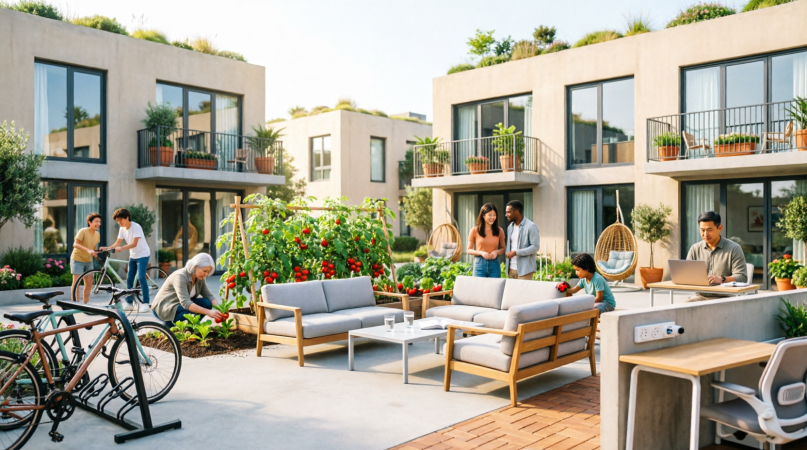
Community living arrangements have seen a remarkable surge in popularity over recent years, reshaping how people think about their housing choices and lifestyle preferences. This shift reflects changing societal values, demographic trends, and evolving expectations about what truly makes a fulfilling living environment. Whether considering downsizing, seeking more social interaction, or simply looking for a lifestyle change, understanding the factors driving this trend can help inform important housing decisions. The appeal of community living extends across multiple generations and addresses various needs that traditional housing arrangements often struggle to satisfy.
1. Enhanced Social Connections and Reduced Isolation
One of the most compelling reasons community living continues gaining traction involves its ability to combat social isolation and foster meaningful relationships. In traditional housing settings, days or weeks might pass without meaningful interaction with neighbors, leading to feelings of loneliness that negatively impact both mental and physical health. Community living environments are specifically designed to encourage social engagement through shared spaces, organized activities, and proximity to others with similar interests or life stages. Common areas such as dining rooms, recreation centers, and outdoor spaces naturally facilitate conversations and friendships that might never develop in conventional neighborhoods. Maintaining strong social connections contributes significantly to cognitive health and overall wellbeing as people age. The structured social opportunities available in community living settings create a built-in support network that helps residents stay connected, engaged, and emotionally fulfilled throughout different life transitions.
2. Maintenance-Free Living and Simplified Responsibilities
The burden of home maintenance becomes increasingly challenging when navigating busy careers, retirement, or physical limitations that make upkeep difficult. Community living arrangements typically include comprehensive maintenance services that eliminate the stress and expense of repairs, landscaping, snow removal, and general property upkeep. There’s no longer a need to worry about finding reliable contractors, scheduling routine maintenance, or handling emergency repairs that inevitably arise with property ownership. This maintenance-free approach frees time and energy for activities residents genuinely enjoy rather than spending weekends on yard work or home repairs.
3. Access to Amenities and Services
Community living developments offer extensive amenities and services that would be prohibitively expensive or impractical to maintain independently. Residents gain access to fitness centers, swimming pools, libraries, art studios, and other facilities that enhance daily life without the individual cost burden of ownership. Many communities also provide convenient services such as housekeeping, transportation, dining options, and wellness programs that support independence while adding comfort and convenience. The availability of these amenities encourages residents to maintain active lifestyles and pursue hobbies or interests that might otherwise require significant travel or expense.
4. Safety and Security Features
Enhanced safety measures represent another significant factor driving the popularity of community living arrangements. Residents benefit from features such as controlled access entry systems, security personnel, emergency response capabilities, and well-lit common areas that provide genuine peace of mind. Many communities incorporate safety features directly into their design, including grab bars, non-slip flooring, emergency call systems, and accessible layouts that reduce accident risks. The presence of neighbors and staff creates an environment where someone will notice if assistance becomes needed, providing an additional safety net that solo living simply cannot match. For family members concerned about loved ones living alone, these comprehensive security measures offer reassurance that professional help is readily available when needed. Communities like Solstice at Clovis provide this combination of physical safety features and the watchful presence of a caring community, creating a secure environment that allows residents to maintain independence while minimizing risks. This security infrastructure becomes increasingly valuable when considering long-term living arrangements and wanting assurance that safety needs will be met both now and in the future.
5. Opportunities for Lifelong Learning and Personal Growth
Community living environments frequently emphasize continued education and personal development through diverse programming and learning opportunities. Residents can participate in lectures, classes, workshops, and cultural events without leaving their community, making intellectual engagement both convenient and accessible. These educational offerings cover wide-ranging topics from technology and finance to arts, history, and wellness, allowing exploration of new interests or deepening of existing knowledge. The collaborative learning environment also enables residents to share their own expertise with fellow community members, creating reciprocal relationships where everyone contributes and benefits.
6. Flexible Living Options That Adapt to Changing Needs
Modern community living arrangements offer increasing flexibility to accommodate evolving needs and preferences throughout different life stages. Residents can often choose from various floor plans, service levels, and lifestyle options within the same community, allowing adjustments to living situations without relocating entirely. This adaptability proves especially valuable as health, mobility, or care requirements change over time, providing continuity while ensuring appropriate support remains available. Many communities offer tiered service models where residents can add or reduce services based on current needs, maintaining autonomy while accessing assistance when necessary.
Conclusion
The growing popularity of community living reflects fundamental shifts in how people prioritize social connection, convenience, security, and quality of life. These environments address multiple needs simultaneously, offering solutions to challenges that isolated living arrangements struggle to meet effectively. As demographic trends continue evolving and more people recognize the benefits of communal living models, this housing option will likely become increasingly mainstream across various age groups and life situations. Understanding the factors driving this trend enables more informed decisions about whether community living aligns with personal values, goals, and vision for an ideal living environment.
