


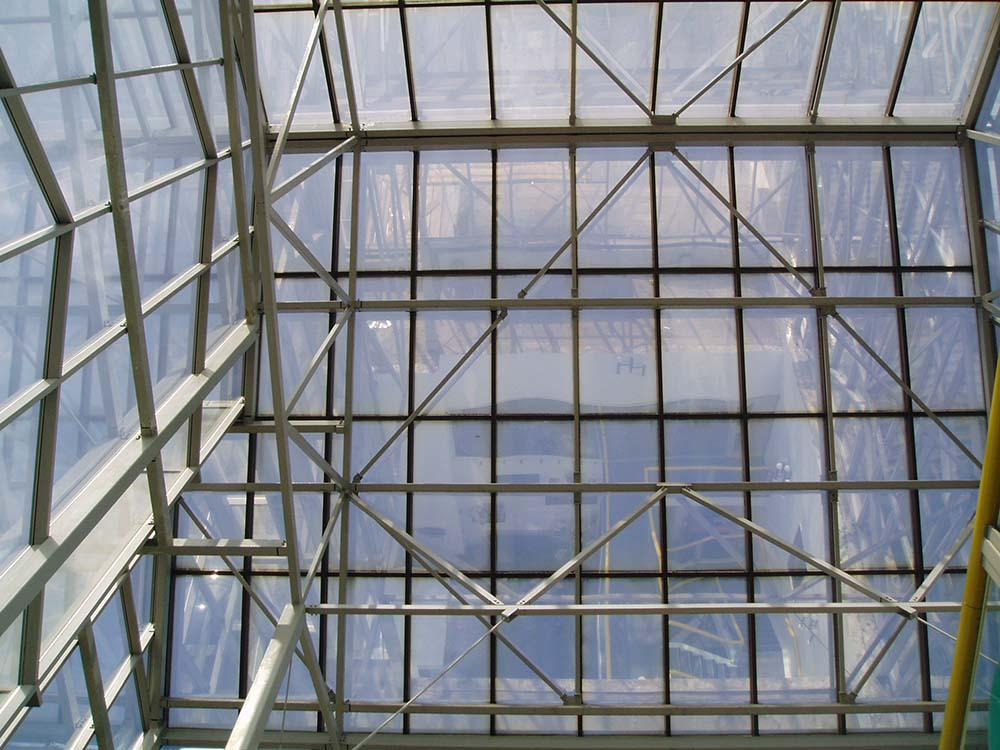
The easiest way to reduce household energy costs is to tackle small sources of energy waste first. Draught-proofing, better insulation, heat reflective window film, hot water cylinder insulation, and smarter heating controls can all improve efficiency without a full home retrofit.
Key takeaways:
- Start small: Simple upgrades can improve energy efficiency without major renovation work
- Reduce heat loss: Draught-proofing and loft insulation help keep warmth inside during colder months
- Control solar heat: Reflective window film can reduce unwanted heat gain through sun-facing windows
- Use energy smarter: Better heating controls can reduce unnecessary energy use throughout the day
Cutting your energy bills does not have to mean a full home retrofit. A handful of simple, low-effort changes can help reduce energy waste and make your home more efficient.
This guide covers five practical upgrades that can be completed with minimal disruption, with several suitable for a weekend project.
Why Small Upgrades Add Up Faster Than You Think
It is tempting to assume only major renovations move the needle on energy bills. In reality, several low-cost, low-effort fixes each deliver measurable, provable savings on their own.
According to the Energy Saving Trust, draught-proofing windows and doors alone can save around £55 a year in a gas-heated home, along with roughly 110kg of carbon dioxide. That is one fix, done in an afternoon, with no professional needed.
Reflective window film can also form part of a broader approach to reducing energy waste, particularly in rooms where excessive sunlight creates unwanted heat during warmer months.
| 💡Quick Tip: Tackle these upgrades in order of effort, not just savings. Getting a few quick wins done first builds momentum for the slightly bigger jobs. |
Which Eco Upgrades Can Lower Your Household Bills
From window film and draught-proofing to insulation and smarter heating controls, these upgrades target different areas of everyday household energy use.
1. Fit Heat Reflective Window Film
Heat reflective window film is one of the easiest upgrades on this list to install, and one of the most overlooked. Applied directly to existing glass, it reduces the amount of solar heat entering a room, easing pressure on cooling in summer and reducing energy waste from unmanaged heat gain.
This matters most on south and west-facing windows, where direct sun does the most damage to a room’s temperature balance throughout the day.
Why Reflective Film Works Well as a Low-Effort Fix
- No structural changes or professional building work required
- Fitted directly onto the glass you already have
- Reduces reliance on fans or air conditioning during warmer months
- Works alongside existing curtains or blinds, rather than replacing them
2. Draught-Proof Windows and Doors
This remains a fix that offers the highest value and requires the lowest effort. Sealing gaps around windows and doors keeps warm air in during winter, without any major work involved.
Before looking at the practical solutions, this table highlights the main areas around a home where draught-proofing can make a difference:
| Area to Check | Common Draught-Proofing Solution | Effort Level |
| Window frames | Self-adhesive foam or rubber seals | Low |
| External doors | Draught excluder or weather seal | Low |
| Door thresholds | Threshold seal or brush strip | Low |
| Letterboxes | Letterbox draught excluder | Low |
| Gaps around frames | Suitable sealant or caulk | Low-Medium |
Table: Common Areas to Draught-Proof Around the Home
Self-adhesive foam strips and simple draught excluders cost very little and can be fitted in an afternoon. No specialist tools required.
3. Top Up Your Loft Insulation
Many UK homes already have some loft insulation, but it is not always to the recommended depth. This is a quick and high-impact fix that is often forgotten simply because people are most likely not to think about the loft.
The Energy Saving Trust estimates that topping up loft insulation from 120mm to the recommended 270mm can save around £30 a year and 55kg of carbon dioxide in a gas-heated home. For homes with no loft insulation at all, installing a full 270mm can save considerably more.
For homes that also struggle with excessive heat from strong sunlight, heat reflective window film can complement insulation by helping manage solar heat entering through windows.
| ⚠️Caution: Check your existing insulation depth before assuming a top-up is unnecessary. Many homeowners are surprised to find their loft insulation has settled well below the recommended level over time. |
4. Insulate Your Hot Water Cylinder
If your home has a hot water cylinder rather than a combi boiler, this is one of the most cost-effective fixes on the entire list. A basic insulating jacket costs very little and takes minutes to fit.
Fitting a hot water cylinder with an insulating jacket can save around £45 a year in Great Britain, according to the Energy Saving Trust. For a cylinder with only thin, older insulation, upgrading to a proper 80mm jacket can save considerably more.
5. Switch to a Smart Thermostat
A smart thermostat won’t fix a poorly insulated home on its own, but it removes the everyday waste that comes from heating rooms unnecessarily. Scheduling and remote control mean heating runs only when they are actually needed.
For homes already using central heating, combining better controls with measures such as reflective window film can address both unnecessary heating use and unwanted solar heat gain at different times of the year.
What a smart thermostat typically improves:
- Prevents heating empty rooms on a fixed schedule
- Allows remote adjustment if plans change during the day
- Provides usage data that highlights where further savings are possible
- Pays back its installation cost within a reasonable timeframe for most households
Final Thought
Meaningful energy savings do not always require a big-budget renovation. The right combination of small improvements can help reduce wasted energy while making your home more comfortable and efficient.
If you are starting with just one project, focus on the areas where your home is losing or gaining the most energy. A few practical changes can be a useful first step towards a more efficient home.
Ready to Cut Your Energy Bills the Easy Way?
If you are considering window film as one of your low-effort upgrades, explore the available options to find a solution suited to your home’s windows and levels of sunlight.
