


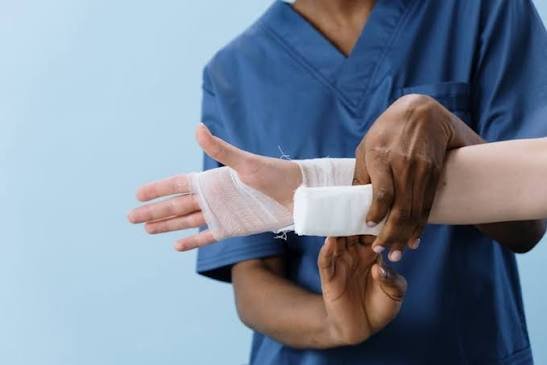
An unexpected injury can disrupt your life in moments. Whether you slip on a wet surface, experience a workplace accident, or suffer a sudden trauma, the immediate aftermath requires clear thinking and purposeful action. Your response during those first hours and days can significantly affect your recovery trajectory and overall outcomes. Understanding what steps to take helps you protect your health, document what happened, and access the support you need. This guide walks you through the essential actions to take when an unexpected injury occurs.
Seek Immediate Medical Attention
Your first priority after an injury is determining whether you need emergency care. Assess your symptoms honestly and do not minimize pain or discomfort in hopes that it will resolve on its own. If you experience severe pain, loss of consciousness, difficulty breathing, uncontrolled bleeding, or signs of internal injury, call emergency services immediately. Even injuries that seem minor can have hidden complications that become apparent only through professional examination. A healthcare provider can rule out fractures, internal injuries, and other serious conditions that might not be obvious to the untrained eye. Getting evaluated promptly creates a medical record that documents your condition and establishes a baseline for your recovery.
Document the Circumstances and Gather Information
Recording detailed information about how your injury occurred protects you if you need to pursue compensation or clarify the facts later. Write down the date, time, and exact location where the injury happened while the details are fresh in your mind. Describe what you were doing when the injury occurred and any contributing factors, such as weather conditions, equipment malfunction, or unsafe surroundings. If other people witnessed the incident, ask for their names and contact information. Take photographs of the scene if possible, showing relevant details such as hazardous conditions or equipment involved. Keep copies of any incident reports filed with your employer, property owner, or relevant authorities, as these documents become important records of what happened.
Notify Relevant Parties and Follow Proper Procedures
Different injury scenarios require notification of specific parties, and following the correct procedures for each situation matters. If your injury occurred at work, inform your supervisor or manager and file a formal incident report according to your company’s procedures. For injuries on someone else’s property, notify the property owner or manager and request that they document the incident. When navigating the legal aspects of an injury claim, working with a personal injury lawyer in Austin helps ensure that your rights are protected and that proper procedures are followed throughout the process. Timely reporting also helps protect your eligibility for workers’ compensation, insurance claims, or other potential remedies.
Seek Appropriate Follow-Up Care and Support
After your initial medical evaluation, follow your healthcare provider’s recommendations for ongoing treatment and rehabilitation. Attend all scheduled appointments and follow prescribed treatment plans, even if you feel tempted to skip sessions when you experience temporary improvement. Keep detailed records of all medical visits, treatments, medications, and expenses related to your injury. Consider whether physical therapy, mental health counseling, or other specialized care would support your recovery. Injuries are among the leading causes of medical care, missed work, and long-term disability in the United States, making follow-up care an essential part of comprehensive recovery. Your commitment to the recommended recovery process significantly influences your long-term healing and ability to return to normal functioning.
Conclusion
The steps you take immediately following an unexpected injury shape your physical recovery and your ability to address practical concerns related to the incident. Prioritizing medical evaluation ensures that serious conditions are identified and treated promptly. Documenting circumstances and gathering information protects you if questions arise later about how the injury occurred. Notifying appropriate parties creates official records that may be necessary for insurance claims or other processes. Committing to follow-up care and support gives your body and mind the resources needed to heal effectively.
