


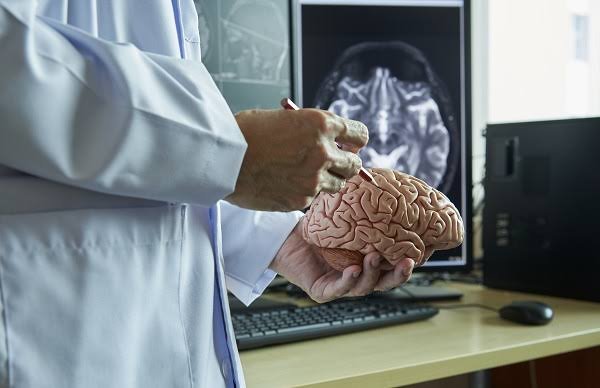
Neurological conditions affect movement and balance. Also, other aspects it affects include sensation, memory, and overall quality of life. Some problems improve with medication or rehabilitation. However, the others may require evaluation by a neurosurgical specialist.
Choosing the right surgeon isn’t about just checking the credentials. Patients should always understand how the specialists think about the diagnosis. They should be able to explain the treatment options and guide recovery.
A careful decision usually leads to great confidence throughout the entire treatment process. If you’re from the Treasure Valley area in Idaho or looking to travel there since many of the top spine specialists practice there, you may need to find a neurosurgeon in Boise. In that case, you must begin by choosing a specialist who values accurate diagnosis. They should provide evidence-based treatment and clear patient communication.
Why Neurosurgery Requires Careful Evaluation
Neurosurgery focuses on disorders involving the brain. It also includes the spine and the peripheral nerves. The structures control nearly every function of the body. Even minor problems sometimes create significant symptoms. There might be horrific results when the nerves become compressed or damaged.
A neurosurgeon evaluates whether the surgery is needed for the patient or not. Many neurological conditions do not require an operation. Conservative treatment is the first recommendation. The practitioners do so before symptoms become severe or progressive.
Patients usually rely on the specialists who carefully balance the surgical and non-surgical options. They find the ones who are reliable and don’t consider rushing towards an operation.
Conditions that May Need Neurological Assessment
People usually seek neurological care for different reasons. Some conditions develop slowly over several years. Others appear suddenly after an injury or unexpected medical event. The common reasons for the referral include
- Persistent neck pain with nerve symptoms,
- Herniated spinal discs,
- Chronic lower back pain,
- Spinal stenosis,
- Spine tumors,
- Brain tumors,
- Peripheral nerve compression,
- Traumatic spinal injuries,
- Head injuries,
- Certain movement disorders,
- Hydrocephalus.
Each diagnosis always requires an individualized treatment strategy. No single solution works for every patient.
Accurate Diagnosis Comes Before the Treatment.
Successful care always starts with understanding the exact source of symptoms. Some of the common symptoms include pain and weakness. Other symptoms are numbness or balance problems. All of these symptoms result from several different neurological conditions. A comprehensive evaluation includes multiple steps.
Reviewing medical history
The specialist reviews the previous illnesses and surgeries. They look for the medications, family history, and the symptom progression. The small details provide valuable clinical clues.
Using diagnostic imaging
MRI, CT scans, X help visualize abnormalities. -rays, or the other imaging studies, are significant as well. Imaging supports clinical findings. They don’t replace them.
Performing a neurological examination
Strength, sensation, helps identify the affected nerves or the brain structures. coordination, reflexes give key findings as well. Data about balance and the walking patterns is important.
Combining such elements allows the physicians to develop a more reliable diagnosis. It is a better approach than discussing the treatment options outright.
Surgery is Only One Part of Neurological Care.
Many people assume that every neurosurgeon recommends surgery. In reality, experienced specialists usually advise conservative treatment when appropriate. Depending on the condition, treatment includes:
- Physical therapy,
- Lifestyle modifications,
- Medical management,
- Image-guided injections,
- Observation with regular follow-up,
- Pain management.
Surgery becomes appropriate when the symptoms continue despite treatment. There may be a need for surgery when the neurological function declines or the surgical problems require correction. The measured approach protects the patients from unnecessary procedures. It also ensures timely intervention when required.
Technology Supports Better Decision-Making.
Modern neurosurgery continues to evolve through improved imaging and navigation systems. There are also better operating microscopes and minimally invasive techniques. The advancements have helped the physicians plan the procedures with greater precision. Technology, however, should never replace clinical judgment. The most effective treatment plan combines careful evaluation and proven techniques.
There is also the importance of individualized planning rather than just relying on the new equipment. Patients should always appreciate the innovation while recognizing the experience and sound decision-making.
Choosing a Specialist with Confidence
Selecting a neurosurgeon isn’t just about comparing the qualifications or the available procedures. Patients should always look for someone who performs thorough evaluations and communicates honestly. Also, they should look for someone who recommends the surgery only when appropriate. It should support the recovery with a comprehensive follow-up. Taking time to understand the diagnosis and asking thoughtful questions is a must. The patients should always participate actively in the treatment decisions for a strong partnership. The healthcare providers should be able to help the patients move forward with greater confidence, regardless of the stage of neurological care.
