


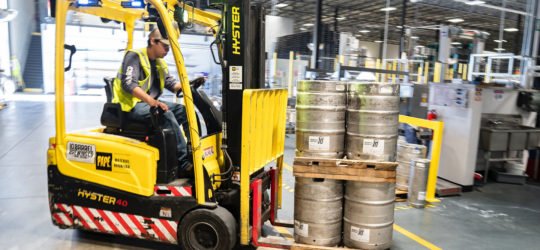
Material handling is one of the most fundamental activities in any industrial, manufacturing, warehousing, or logistics environment. Every product that is produced, stored, or delivered goes through some form of movement, control, storage, or protection during its lifecycle. This entire process depends heavily on material handling equipment, which ensures that goods are moved safely, efficiently, and cost-effectively from one point to another.
As industries expand and global supply chains become more complex, the importance of efficient material handling systems continues to grow. Businesses are no longer relying on manual labor alone; instead, they are investing in advanced machinery and automated systems that improve productivity while reducing operational risks. The right equipment can significantly reduce handling time, minimize damage to goods, improve worker safety, and enhance overall operational performance.In today’s competitive environment, companies that optimize their handling systems gain a major advantage in speed, accuracy, and cost control. Whether in a warehouse, factory, construction site, or distribution center, proper handling solutions form the backbone of efficient operations.
Understanding the Concept of Material Handling Equipment
Material handling equipment refers to a wide range of mechanical devices, tools, and systems designed to move, store, protect, and control materials throughout manufacturing, warehousing, distribution, and disposal processes. These systems are essential for ensuring smooth workflow and reducing the need for manual labor in physically demanding tasks.
The concept includes everything from simple tools like hand trucks and pallet jacks to advanced systems like conveyor belts, automated guided vehicles, and robotic storage systems. Each type of equipment serves a specific purpose depending on the nature of the materials being handled and the operational environment.
The main objective of material handling systems is to improve efficiency while maintaining safety and accuracy. By reducing manual handling, businesses can lower the risk of workplace injuries, minimize product damage, and improve the speed of operations. These systems also help optimize space utilization and improve inventory control.In modern industries, material handling is no longer just about moving goods; it is about integrating technology, automation, and data-driven decision-making to create highly efficient and scalable operations.
Importance of Material Handling in Industrial Productivity
Industrial productivity is directly influenced by how efficiently materials flow through different stages of production and distribution. Any delay, mismanagement, or inefficiency in handling can lead to bottlenecks, increased costs, and reduced output.
One of the most significant benefits of material handling equipment is time efficiency. Machines can transport heavy loads much faster than manual labor, allowing workers to focus on more skilled tasks. This leads to faster production cycles and improved operational output.Another key advantage is improved accuracy and organization. Automated systems help ensure that materials are stored, retrieved, and transported in an organized manner, reducing the chances of errors or misplaced inventory. This is especially important in industries that deal with large volumes of products.
Workplace safety also improves significantly when proper equipment is used. Manual lifting and carrying of heavy loads can cause injuries such as strains, fractures, and long-term musculoskeletal issues. Equipment designed for handling heavy materials reduces these risks and creates a safer working environment.In addition, businesses experience lower operational costs in the long term. Although initial investment in equipment may be high, the reduction in labor costs, product damage, and operational delays leads to significant savings over time.
Major Types of Material Handling Equipment
Material handling systems are broadly categorized based on their function and application. Each category plays a specific role in ensuring smooth operations across different industries.
Storage and Handling Equipment
Storage systems are designed to organize and hold materials safely until they are needed. These include shelves, racks, bins, mezzanines, and automated storage systems. Proper storage solutions maximize warehouse space and improve accessibility.Advanced automated storage and retrieval systems are increasingly being used in large warehouses. These systems use computerized controls to store and retrieve items with high precision, reducing human effort and improving speed.
Industrial Trucks
Industrial trucks are mobile machines used for transporting materials over short distances. Common examples include forklifts, pallet jacks, order pickers, and reach trucks. These machines are essential in warehouses, factories, and distribution centers.
Forklifts are particularly important because they can lift heavy loads and transport them efficiently across different locations. Electric models are widely used indoors due to their quiet operation and zero emissions, while diesel models are used for outdoor heavy-duty tasks.
Bulk Material Handling Equipment
Bulk handling systems are used for transporting large quantities of loose materials such as grains, coal, sand, and chemicals. These include conveyor belts, stackers, bucket elevators, and hoppers.Industries such as mining, agriculture, and manufacturing rely heavily on these systems to move raw materials efficiently. They help reduce manual labor and ensure continuous material flow.
Engineered Systems
Engineered systems involve advanced automation technologies designed for large-scale operations. These include conveyor networks, robotic arms, automated guided vehicles, and integrated warehouse systems.
Such systems are commonly used in modern e-commerce warehouses where speed and accuracy are essential. They allow businesses to process large volumes of orders with minimal human intervention.
Lifting Equipment
Lifting equipment is used to raise materials to different heights safely. This category includes cranes, hoists, elevators, and scissor lifts. These machines are crucial in construction, manufacturing, and maintenance operations.Lifting systems reduce the risk associated with manual lifting and ensure precise positioning of heavy materials. They are designed to handle loads that would otherwise be impossible or unsafe for human workers.
Role of Automation in Material Handling Systems
Automation has revolutionized material handling by improving speed, efficiency, and accuracy. Modern industries are increasingly adopting automated systems to reduce human dependency and optimize workflow.
Automated guided vehicles are widely used in warehouses to transport goods without human drivers. These machines follow predefined paths using sensors and navigation systems, improving efficiency and reducing labor costs.Robotic systems are also becoming common in packaging, sorting, and palletizing operations. These machines can perform repetitive tasks with high precision and consistency, reducing errors and improving productivity.
Warehouse management software plays a crucial role in automation by tracking inventory in real time. It helps businesses monitor stock levels, manage orders, and optimize storage space efficiently.Automation also improves safety by reducing human exposure to hazardous tasks. Machines can handle heavy lifting, toxic materials, and high-temperature environments, minimizing workplace risks.
Safety Considerations in Material Handling Operations
Safety is one of the most critical aspects of material handling operations. Improper use of equipment or lack of training can lead to serious accidents and operational disruptions.Operator training is essential to ensure safe handling of equipment. Workers must understand how to operate machines correctly and follow safety protocols at all times. Proper training reduces the risk of accidents caused by human error.
Regular maintenance is equally important. Equipment should be inspected frequently for wear and tear, hydraulic leaks, mechanical faults, and electrical issues. Preventive maintenance helps avoid unexpected breakdowns and ensures safe operation.Load management is another key safety factor. Overloading equipment can lead to tipping, structural damage, or system failure. Operators must always follow load capacity guidelines provided by manufacturers.
Workplace organization also contributes to safety. Clearly marked pathways, proper lighting, and organized storage areas help prevent collisions and accidents. Traffic management systems should be implemented in busy industrial environments.Personal protective equipment such as helmets, gloves, and safety shoes further enhances worker safety during handling operations.
Impact of Material Handling Equipment on Supply Chains
Efficient material handling systems play a vital role in improving supply chain performance. They ensure smooth movement of goods from production facilities to end consumers.
Faster transportation and storage processes help reduce delivery times and improve customer satisfaction. Businesses can respond more quickly to market demands and maintain competitive advantage.Material handling equipment also reduces product damage during transportation. Proper lifting, packaging, and storage systems protect goods from breakage and contamination.
Warehouse efficiency improves significantly with automated systems. Businesses can store more inventory in less space while maintaining easy access to products.In logistics operations, efficient handling systems ensure faster loading and unloading of goods, reducing turnaround time for transportation vehicles.
Maintenance and Management of Equipment
Proper maintenance is essential for ensuring long-term performance and reliability of material handling equipment. Without regular care, machines can experience breakdowns that disrupt operations and increase costs.Preventive maintenance involves scheduled inspections, lubrication, cleaning, and replacement of worn parts. This helps identify potential issues before they become major problems.
Operators should also perform daily checks before using equipment. This includes inspecting tires, brakes, hydraulic systems, and control mechanisms.Keeping maintenance records helps businesses track equipment performance and plan servicing schedules effectively.
Using high-quality replacement components is also important for maintaining equipment efficiency and extending its lifespan.The future of material handling equipment is driven by automation, digitalization, and sustainability. Industries are rapidly adopting smart technologies to improve efficiency and reduce environmental impact.Artificial intelligence is being integrated into warehouse systems to predict demand, optimize storage, and improve decision-making.
Robotics and autonomous systems are becoming more advanced, allowing for fully automated warehouses with minimal human intervention.Electric and hybrid-powered equipment is replacing traditional fuel-based machines to reduce emissions and support sustainability goals.Internet of Things technology is enabling real-time monitoring of equipment performance, helping businesses detect issues early and improve efficiency.
Conclusion
Material handling equipment is the backbone of modern industrial operations. It ensures smooth movement, storage, and control of materials across different stages of production and distribution. From simple manual tools to advanced automated systems, these technologies play a crucial role in improving productivity, safety, and efficiency.
As industries continue to evolve, the demand for smarter and more efficient handling systems will continue to grow. Businesses that invest in advanced equipment and proper maintenance strategies can significantly improve operational performance and reduce long-term costs.
Ultimately, material handling systems are not just tools for movement—they are essential components that drive industrial success, enhance supply chain efficiency, and support the growth of modern economies.
