


Chronic pain can make even simple daily activities feel exhausting. Whether it stems from muscle tension, overuse injuries, poor movement patterns, or long-term physical stress, persistent pain often affects mobility, sleep, and overall quality of life. While medication may temporarily mask symptoms, many people are searching for more targeted, long-term solutions that address the root cause of discomfort.
One treatment that has gained attention in recent years is dry needling physical therapy. Often used alongside exercise and manual therapy, dry needling is designed to reduce muscular tension, improve mobility, and help patients move with less pain.
What Is Dry Needling and How Does It Work?
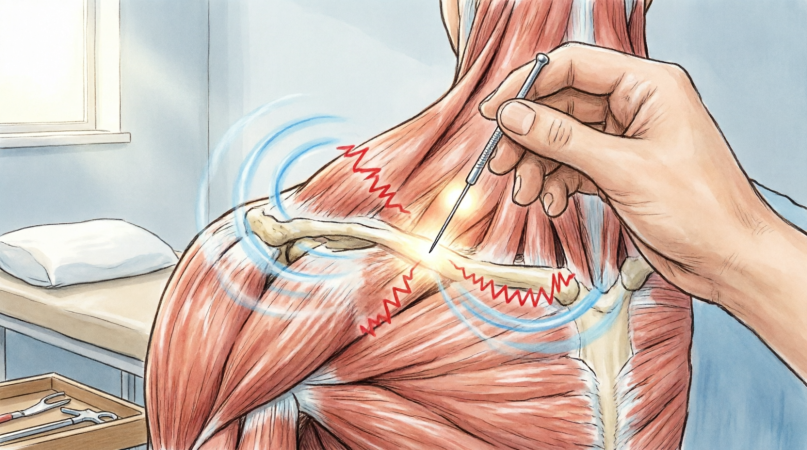
Dry needling is a specialized treatment performed by trained physical therapists that targets trigger points—tight, irritated bands within muscle tissue that can contribute to pain and restricted movement. Using thin, sterile needles, therapists stimulate these trigger points to help release tension and improve muscle function.
Unlike acupuncture, which is rooted in traditional Chinese medicine, dry needling is based on modern musculoskeletal and neurological principles. The goal is to directly address dysfunctional muscle tissue and restore healthier movement patterns.
During treatment, the insertion of the needle may create a small twitch response within the muscle. This response helps release tightness, increase blood flow, and reduce irritation in the affected area. Many patients report decreased stiffness and improved mobility shortly after treatment.
Dry needling is commonly used as part of a broader chronic pain treatment plan. It is often combined with stretching, strengthening exercises, posture correction, and movement retraining to create longer-lasting improvements. Conditions such as neck pain, back pain, shoulder tension, sciatica, and repetitive strain injuries may all benefit from this integrated approach.
In some cases, dry needling may also complement rehabilitation programs that include occupational therapy treatment, particularly when pain or limited mobility interferes with daily tasks, workplace activities, or fine motor function.
How Many Sessions Are Typically Needed?
The number of dry needling sessions needed varies depending on the severity of symptoms, the duration of the condition, and the patient’s overall treatment goals. Some individuals experience noticeable relief after just one or two sessions, especially when muscle tension is the primary source of pain.
For more chronic or complex conditions, multiple sessions may be recommended as part of a structured rehabilitation plan. Therapists typically monitor progress over time and adjust treatment based on how the body responds.
Consistency also plays an important role in recovery. Dry needling tends to be most effective when paired with corrective exercises and movement strategies that address the underlying cause of pain. Simply releasing muscle tension without improving movement mechanics may provide temporary relief, but long-term results often require a more comprehensive approach.
Patients may experience mild soreness after a session, similar to what you might feel after a workout, but this usually resolves within a day or two. Over time, many people notice improvements in flexibility, reduced pain intensity, and better overall movement quality.
Ultimately, dry needling can be an effective tool for managing chronic pain when incorporated into a personalized therapy program. By targeting muscular dysfunction directly and supporting long-term movement improvements, it offers patients a proactive path toward lasting relief and better physical function.
